
Kim Jong Un, the Supreme Leader of North Korea, has always been a figure of intrigue and speculation. However, less attention is often given to his children, who are poised to inherit the burdens of leadership in a nation known for its isolation and authoritarian regime. This article delves into the public perception and media portrayal of Kim Jong Un’s kids, exploring how they are viewed both within North Korea and internationally.
The Mystery Surrounding Kim Jong Un’s Children
Kim Jong Un has three known children with his wife, Ri Sol-ju. Despite their high-profile parentage, little is known about them due to the North Korean government’s strict control over information. This secrecy fuels speculation and myth, creating an aura of mystery that surrounds the young heirs.
- Number of Children: Kim Jong Un reportedly has three children, although the exact number and details about them remain largely undisclosed.
- Names and Ages: The oldest child is believed to be a daughter named Ju-ae, who was born around 2013. The ages and identities of the other two children are not publicly known.
- Public Appearances: The children have been conspicuously absent from public life, with the exception of a few instances where Kim Jong Un has brought Ju-ae to official events.
Media Portrayal: Western Perspectives
Western media often portrays Kim Jong Un’s children through a lens of skepticism and intrigue. The portrayal tends to focus on the implications of their potential leadership rather than their individual identities.
- Potential Successors: Many analysts speculate that Ju-ae may be groomed for leadership. Articles often discuss her public appearances as indicative of her future role.
- Symbol of Continuity: Media narratives often frame Kim’s children as symbols of the regime’s continuity, suggesting that the dynastic nature of North Korea’s leadership will persist.
- Comparison to Previous Leaders: Comparisons are frequently made between Kim Jong Un’s children and the offspring of previous North Korean leaders, particularly Kim Jong Il’s children, to highlight patterns in succession.
Public Perception in North Korea
In North Korea, the media portrayal of Kim Jong Un’s children is closely managed by the state. The public perception of his children is a reflection of the regime’s propaganda efforts.
- Idealized Image: State media often presents Kim’s children as embodiments of the party’s ideals, showcasing them as symbols of hope and future leadership.
- Limited Exposure: The children are rarely seen by the public, which serves to enhance their mystique and reinforce the idea that they are above ordinary citizens.
- Cult of Personality: The portrayal of Kim’s children is part of a broader cult of personality surrounding the Kim family, where each member is revered and idealized.
Case Studies: Notable Media Events
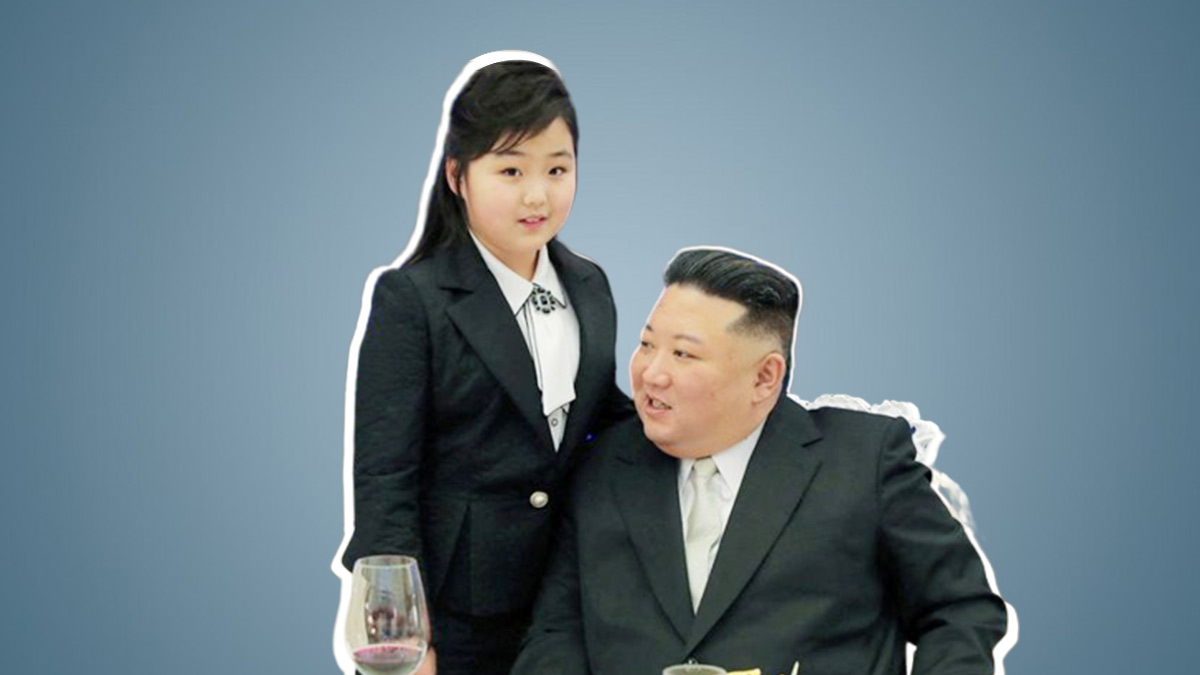
Several noteworthy events have shaped the media narrative surrounding Kim Jong Un’s children. These events provide insight into how they are perceived both domestically and internationally.
1. Ju-ae’s Public Appearance During Missile Tests
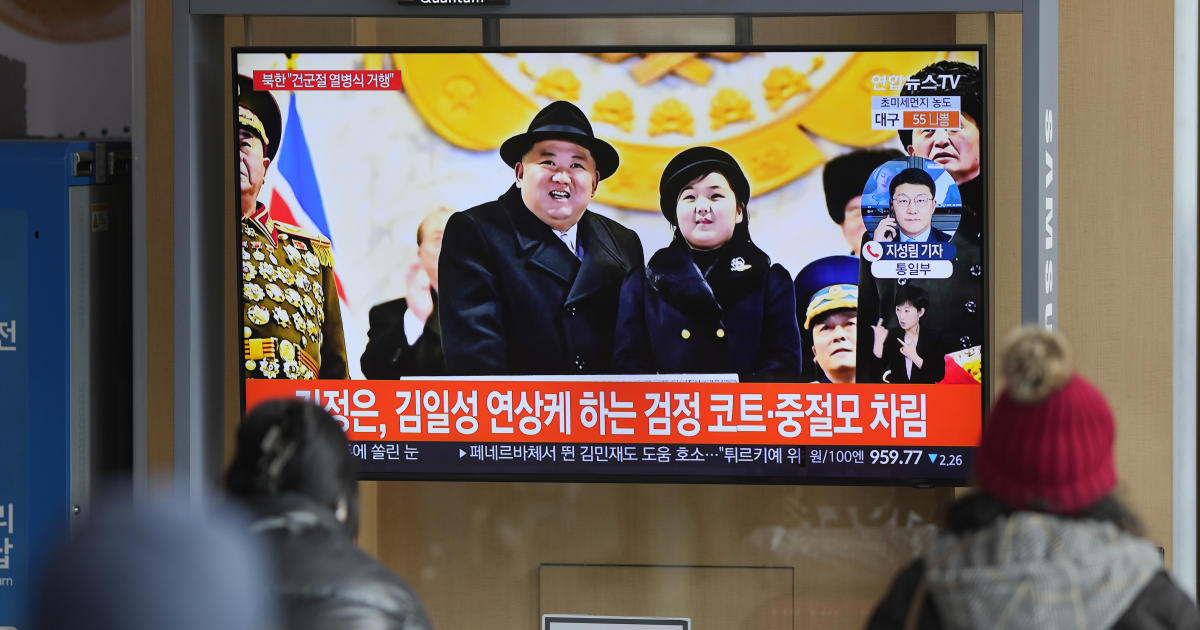
In 2022, Ju-ae was seen accompanying her father during a publicized missile test. This appearance elicited significant media attention and various interpretations:
- Grooming for Leadership: Analysts viewed this as a sign that Kim Jong Un was positioning her as a future leader, suggesting a deliberate move to solidify her status.
- Propaganda Tool: The event was interpreted as a way to project strength and continuity in the regime, showcasing a family united in defense of the nation.
2. Ri Sol-ju’s Role as a Mother

Ri Sol-ju, Kim’s wife, has also been a prominent figure in media portrayals of their family life. Her public appearances with the children serve multiple purposes:
- Humanizing the Leader: By depicting Kim as a family man, state media attempts to humanize him and create a more relatable image.
- Reinforcing Gender Roles: Ri’s role as a mother aligns with traditional gender roles in North Korean society, highlighting the importance of family in the regime’s propaganda.
International Reactions and Speculation
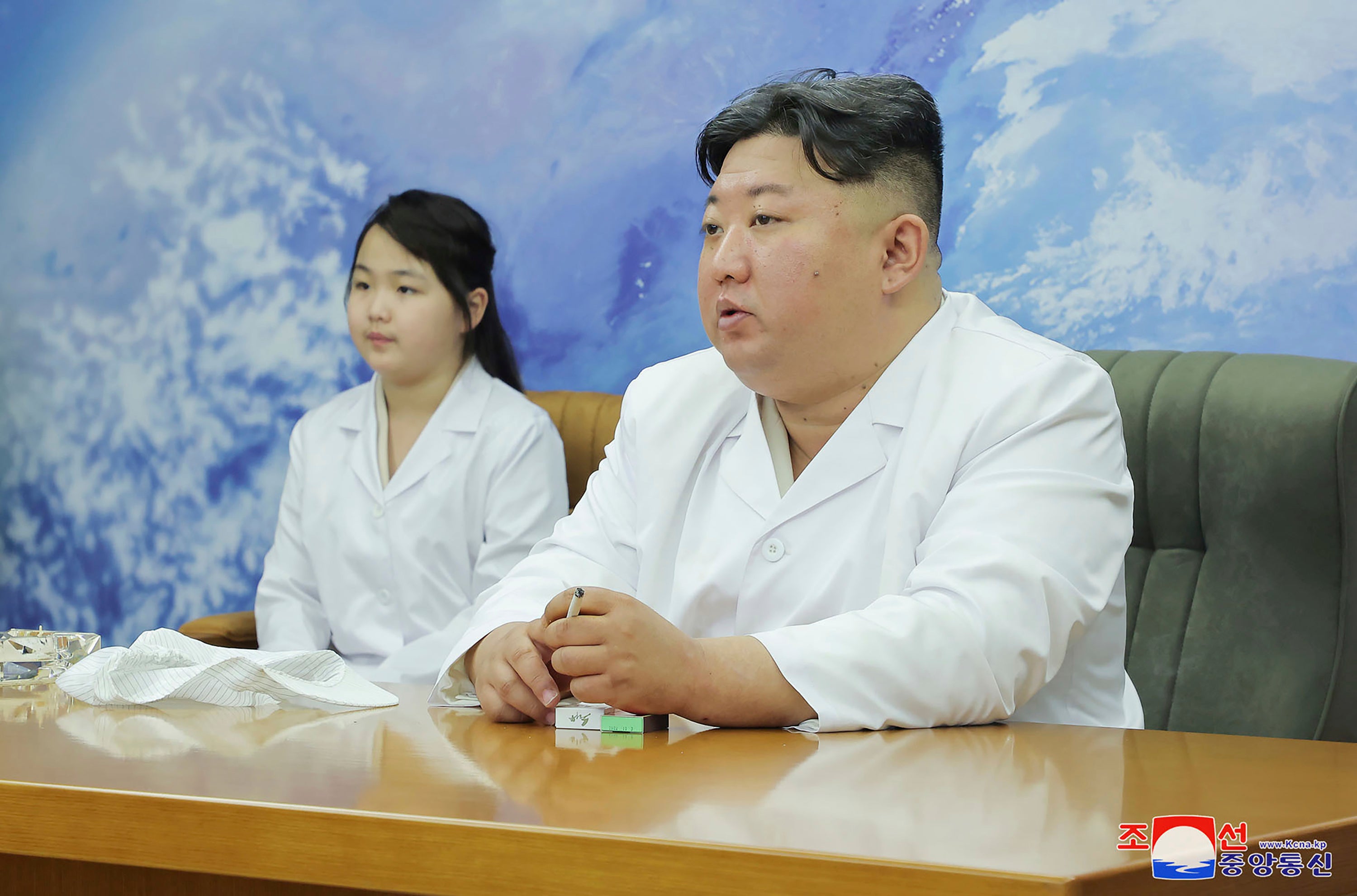
The international community has reacted to the portrayal of Kim Jong Un’s children with a mix of skepticism, concern, and curiosity. This reaction stems from the broader implications of their potential future roles in a nuclear-armed state.
- Security Concerns: Analysts worry about the implications of a young leader who may not have the experience or wisdom necessary to manage a nuclear arsenal responsibly.
- Dynastic Politics: The prospect of a dynastic succession raises questions about the future of North Korea and its policies, particularly regarding relations with the West.
- Increased Scrutiny: As the children grow older, their actions and decisions will be under increased scrutiny, impacting how their father’s regime is perceived globally.
Statistics and Insights
While hard data on the public perception of Kim Jong Un’s children is scarce due to the regime’s secrecy, various surveys and studies provide some insights:
- Dynastic Succession Acceptance: According to a 2019 survey by the Korean Institute for National Unification, 62% of South Korean respondents believed that Kim’s children would eventually take over leadership.
- Global Awareness: A 2021 study showed that 75% of people in Western countries recognized Ju-ae’s name, indicating a growing awareness of her and her siblings.
The Future of Kim Jong Un’s Children

As Kim Jong Un’s children grow, they will likely become increasingly central figures in discussions about North Korea’s future. Their portrayal in the media and public perception will continue to evolve, influenced by their actions and the regime’s narratives. While Kim’s children remain shrouded in mystery, the implications of their potential leadership are clear: the future of a nuclear-armed North Korea rests in part on their shoulders.
Ultimately, the public perception and media portrayal of Kim Jong Un’s kids reflect broader themes of dynastic politics, state control, and the intricate dynamics of power in one of the world’s most secretive regimes. As the world watches, the narrative surrounding these children will undoubtedly develop, shaping not only their lives but also the future of North Korea itself.