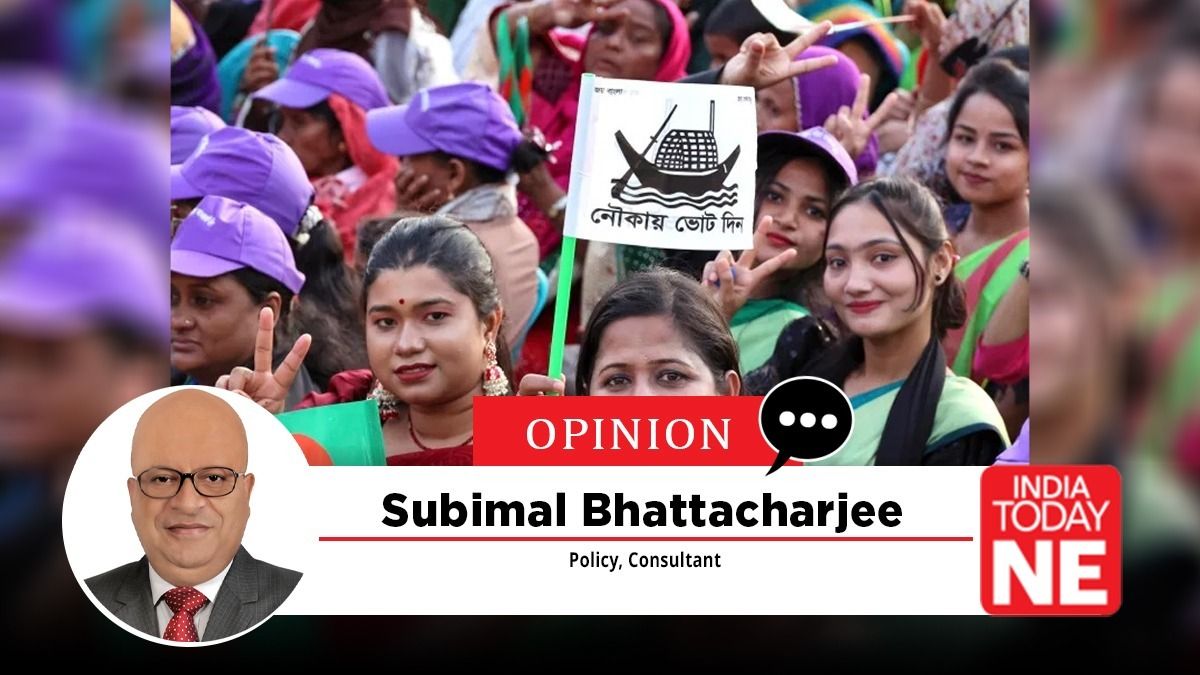
The 2026 elections in Bangladesh have become a focal point of political discourse, reflecting the nation’s evolving democratic landscape. The elections, held on January 7, 2026, were marked by significant developments and outcomes that could shape the future of the country. This article provides a comprehensive analysis of the election results, key players, voter sentiments, and implications for Bangladesh’s political landscape.
Historical Context of Bangladeshi Elections
To better understand the 2026 election results, it is essential to appreciate the historical context of elections in Bangladesh. Since its independence in 1971, Bangladesh has experienced a turbulent political history characterized by military coups, political violence, and intense rivalry between major political parties, primarily the Awami League (AL) and the Bangladesh Nationalist Party (BNP).
In recent years, the political environment has been increasingly polarized, with allegations of authoritarianism against the ruling party. The 2018 elections, marred by accusations of vote rigging and violence, set the stage for heightened tensions leading into the 2026 elections.
Key Political Players
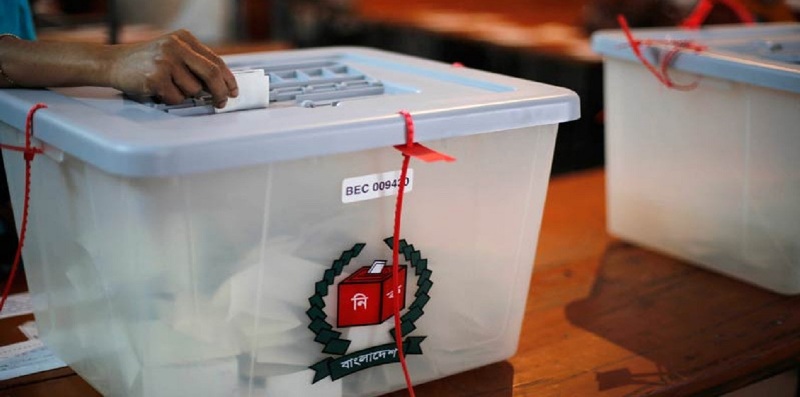
The 2026 elections saw a fierce contest among several political entities, primarily:
- Awami League (AL): Led by Prime Minister Sheikh Hasina, the AL aimed to maintain its grip on power, emphasizing development and progress.
- Bangladesh Nationalist Party (BNP): Under the leadership of Khaleda Zia’s son, Tarique Rahman, the BNP sought to reclaim its position as a significant opposition force.
- Jatiya Party (JP): A third-party contender that has historically played a kingmaker role in Bangladeshi politics, led by GM Quader.
- Leftist and Islamist Parties: Various smaller parties also participated, aiming to sway the electorate with alternative ideologies.
Voter Sentiment and Turnout
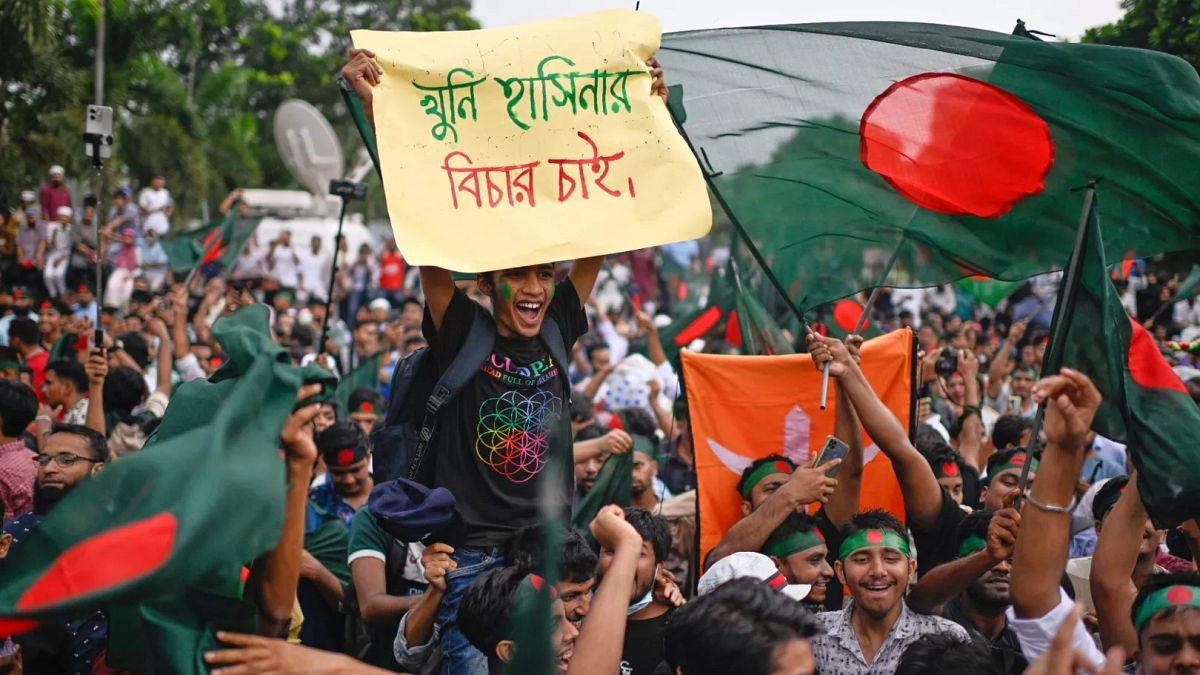
The voter sentiment leading up to the elections was influenced by numerous factors, including economic performance, governance issues, and public trust in institutions. Voter turnout is often seen as a barometer of political engagement and sentiment. In the 2026 elections, voter turnout was approximately 70%, a slight increase from 2018, indicating a renewed interest in the electoral process.
Key factors driving voter sentiment included:
- Economic Challenges: Inflation and unemployment rates affected public perception of the ruling party’s efficacy.
- Political Violence: The history of electoral violence in previous elections led to apprehensions among voters.
- Expectations of Change: Many voters expressed a desire for change, particularly among the youth, who are increasingly disillusioned with the status quo.
Election Outcomes: A Closer Look
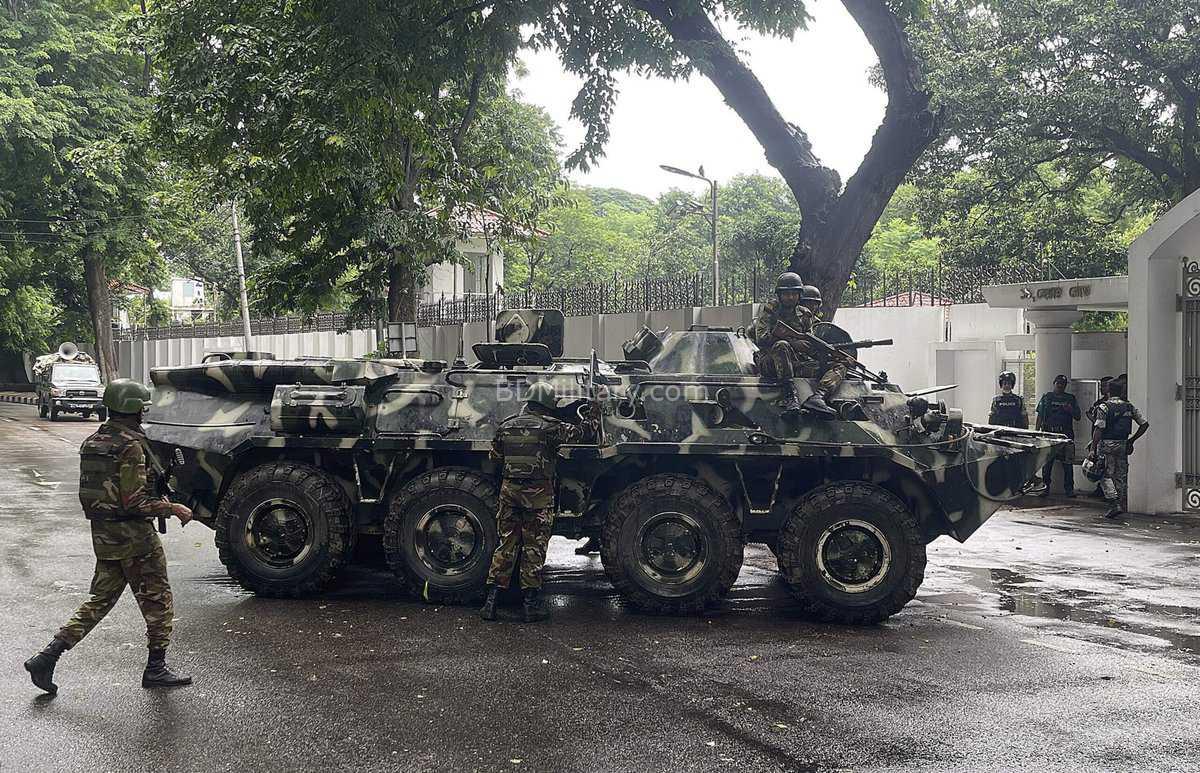
The results of the 2026 elections were significant, revealing shifts in power dynamics and voter preferences. The Awami League, despite facing stiff competition, managed to secure a majority, but with a reduced margin compared to previous elections. Below are some of the key outcomes:
- Awami League: The party won approximately 160 seats out of 300, down from 288 in 2018. This result indicated a growing discontent among voters.
- Bangladesh Nationalist Party: The BNP made significant gains, winning around 100 seats, a notable increase from their previous count of just 7 seats. This resurgence highlighted the electorate’s desire for change.
- Jatiya Party: The JP retained its position as a third force, securing around 30 seats, maintaining its influence in parliament.
- Independent Candidates: A record number of independent candidates won seats, reflecting voter desire for alternatives beyond traditional parties.
Case Studies: Key Constituencies
Analyzing specific constituencies provides insight into the broader trends of the 2026 elections. Here are two notable case studies:
Dhaka-1
In the Dhaka-1 constituency, the Awami League candidate faced a significant challenge from the BNP representative. Voter turnout was exceptionally high, exceeding 80%. The BNP’s campaign focused on local issues such as water supply and infrastructure development, resonating with the electorate. Ultimately, the BNP candidate won, marking a pivotal shift in a traditionally Awami League stronghold.
Chattogram-5
Conversely, Chattogram-5 saw the Awami League candidate retain their seat but with a diminished majority. The constituency had previously been a bastion for the ruling party, but voter fatigue and economic issues played a significant role in reducing their margin. The rise of independent candidates in this area indicated a desire for more localized representation.
Implications for the Future
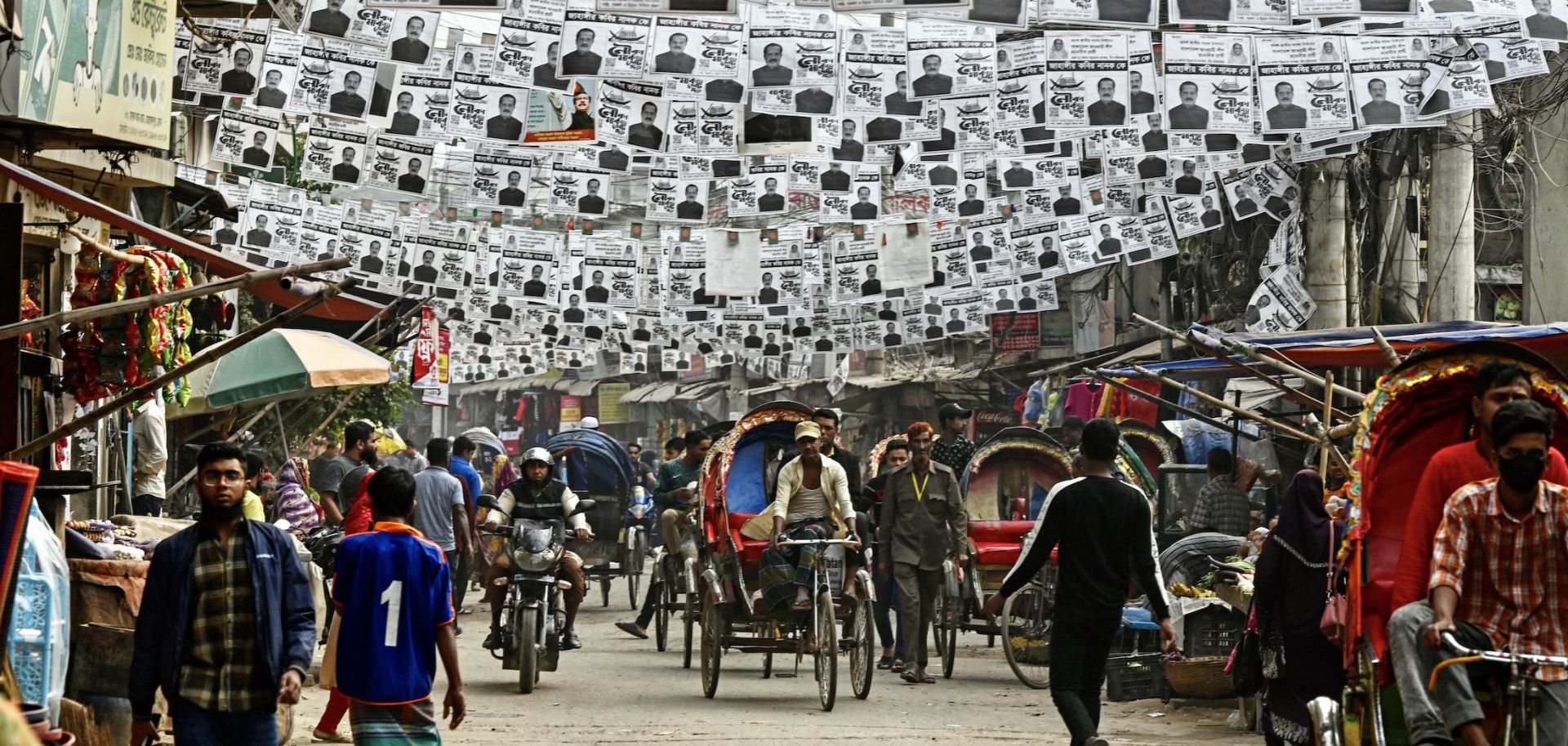
The 2026 election results carry significant implications for Bangladesh’s political future:
- Political Stability: With a reduced majority, the Awami League may face challenges in governance, potentially leading to instability.
- Opposition Unity: The BNP’s resurgence could pave the way for a more unified opposition, increasing pressure on the ruling party.
- Increased Political Engagement: The high voter turnout suggests a growing political engagement among the populace, particularly the youth, signaling a shift towards more active civic participation.
- International Relations: The election results may affect Bangladesh’s relations with international partners, particularly regarding human rights and governance issues.
The 2026 elections in Bangladesh marked a significant turning point in the nation’s political landscape, showcasing the electorate’s desire for change and accountability. The Awami League’s maintained power, albeit with a reduced majority, reflects a complex interplay of historical loyalty and emerging discontent among voters. The gains made by the BNP and independent candidates signal a potential shift towards a more competitive political environment.
As Bangladesh navigates the aftermath of these elections, the implications for governance, political stability, and civic engagement will be crucial in shaping the country’s trajectory. The evolving dynamics present an opportunity for a more inclusive political discourse, underscoring the importance of listening to the electorate’s voice in the years to come.