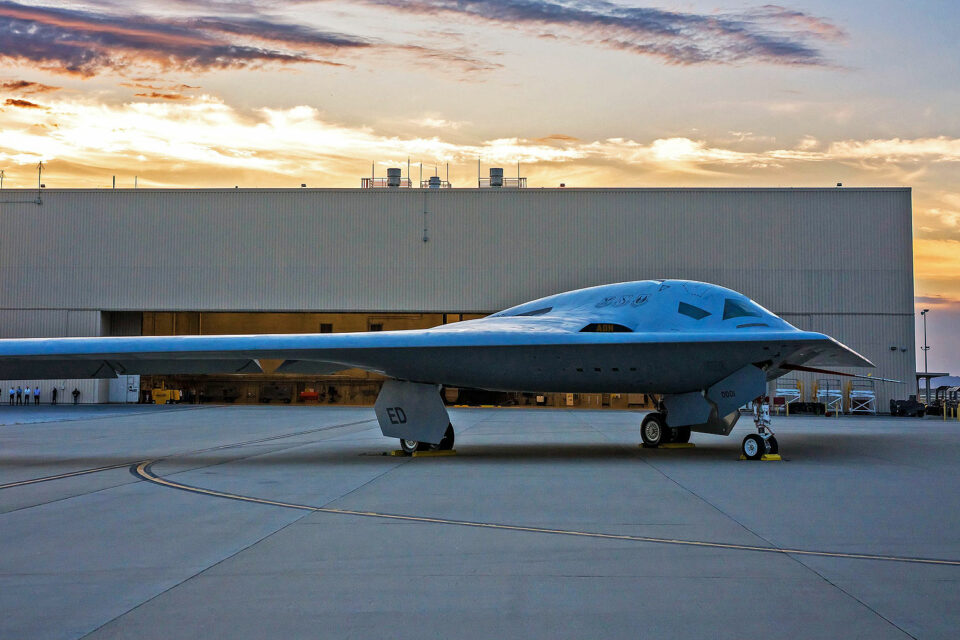
The B-21 Raider, a next-generation stealth bomber developed by Northrop Grumman for the United States Air Force, represents a significant leap forward in aerial warfare technology. As military conflicts evolve and the nature of threats changes, the B-21 is poised to redefine the landscape of strategic bombing. This article delves into the design, capabilities, and implications of the B-21 Raider, presenting a comprehensive view of its potential impact on modern warfare.
Introduction to the B-21 Raider
The B-21 Raider is not just another addition to the U.S. military’s fleet; it is a paradigm shift in how the U.S. approaches air power. Officially unveiled in December 2022, the B-21 is set to replace the aging B-1 and B-2 bombers, providing advanced capabilities to penetrate modern air defenses and deliver precision strikes globally.
The Design Philosophy Behind the B-21
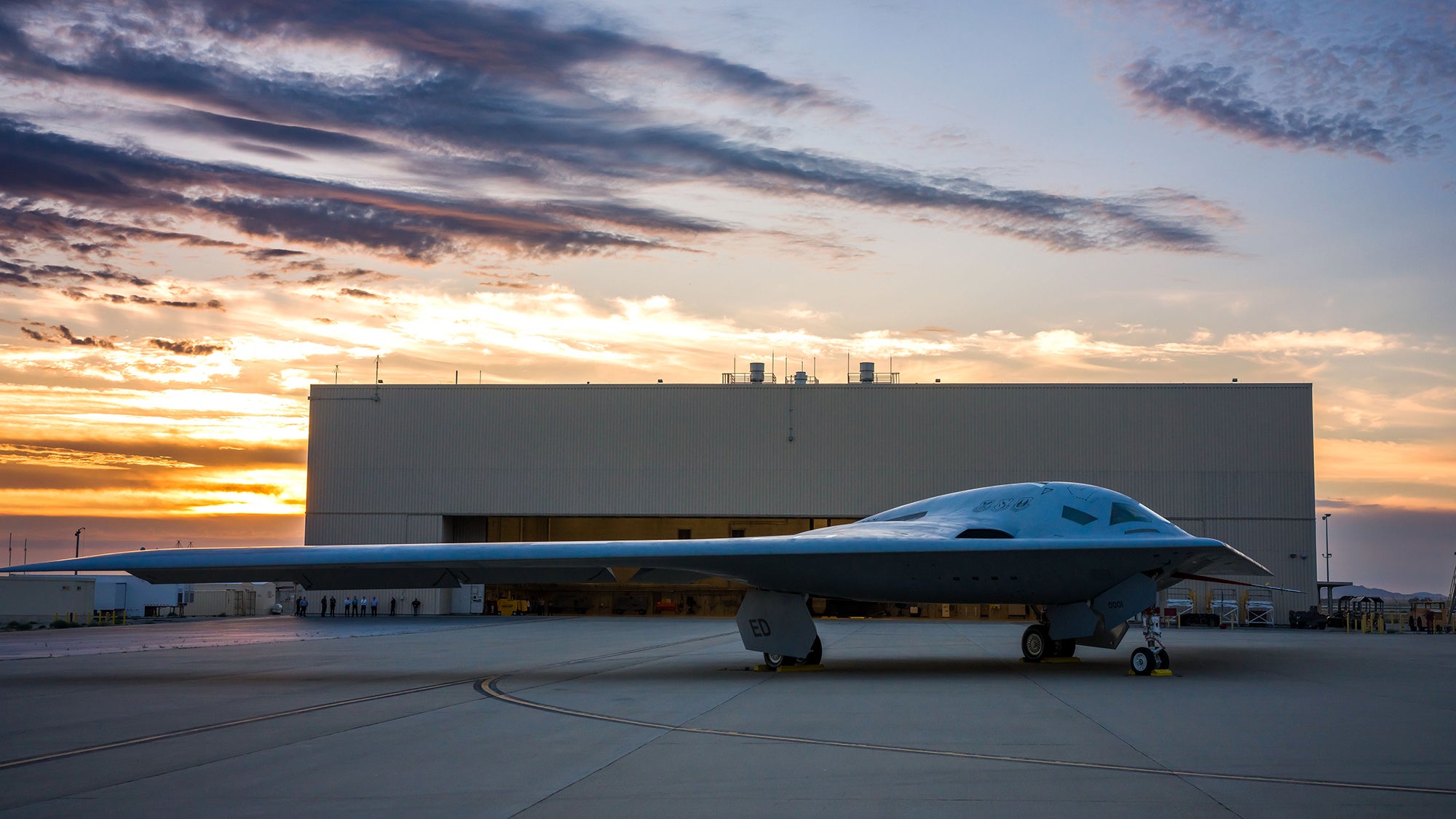
One of the most striking features of the B-21 Raider is its design, which emphasizes both stealth and versatility. Its design philosophy can be summarized in the following key aspects:
- Stealth Technology: The B-21 incorporates advanced stealth features, including radar-absorbent materials and a shape designed to minimize radar cross-section. This makes it significantly harder for enemy radar systems to detect and track the aircraft.
- Modular Design: The bomber is designed with a modular approach, allowing for upgrades and adaptations to evolving threats without extensive redesigns.
- Multi-Role Capability: While primarily a strategic bomber, the B-21 is capable of conducting a variety of missions, including intelligence, surveillance, reconnaissance (ISR), and precision strikes.
Technological Innovations in the B-21
The B-21 Raider is at the forefront of several technological innovations that enhance its operational capabilities:
- Advanced Avionics: Equipped with state-of-the-art avionics systems, the B-21 can share real-time data with other military assets, improving situational awareness and decision-making on the battlefield.
- Autonomous Capabilities: The B-21 is designed to operate with a degree of autonomy, allowing it to execute missions with minimal human intervention. This reduces the risk to pilot lives and allows for more complex mission profiles.
- Integrated Weapons Systems: The B-21 can carry a wide array of munitions, including nuclear and conventional weapons, making it a versatile platform for various combat scenarios.
Strategic Importance of the B-21 Raider
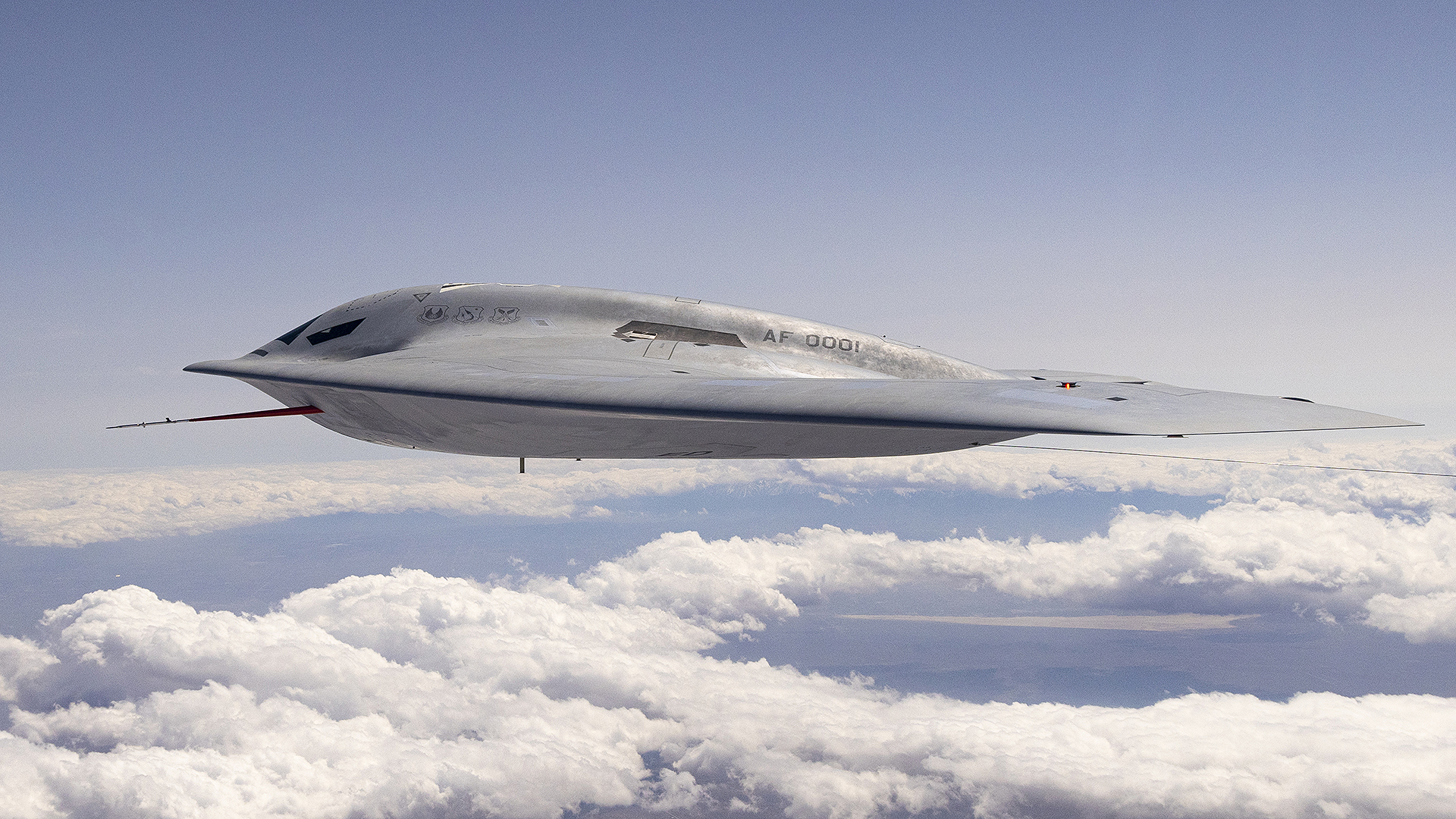
The unveiling of the B-21 Raider comes at a crucial time when global military dynamics are shifting. Its strategic importance can be analyzed through several lenses:
Deterrence Against Adversaries
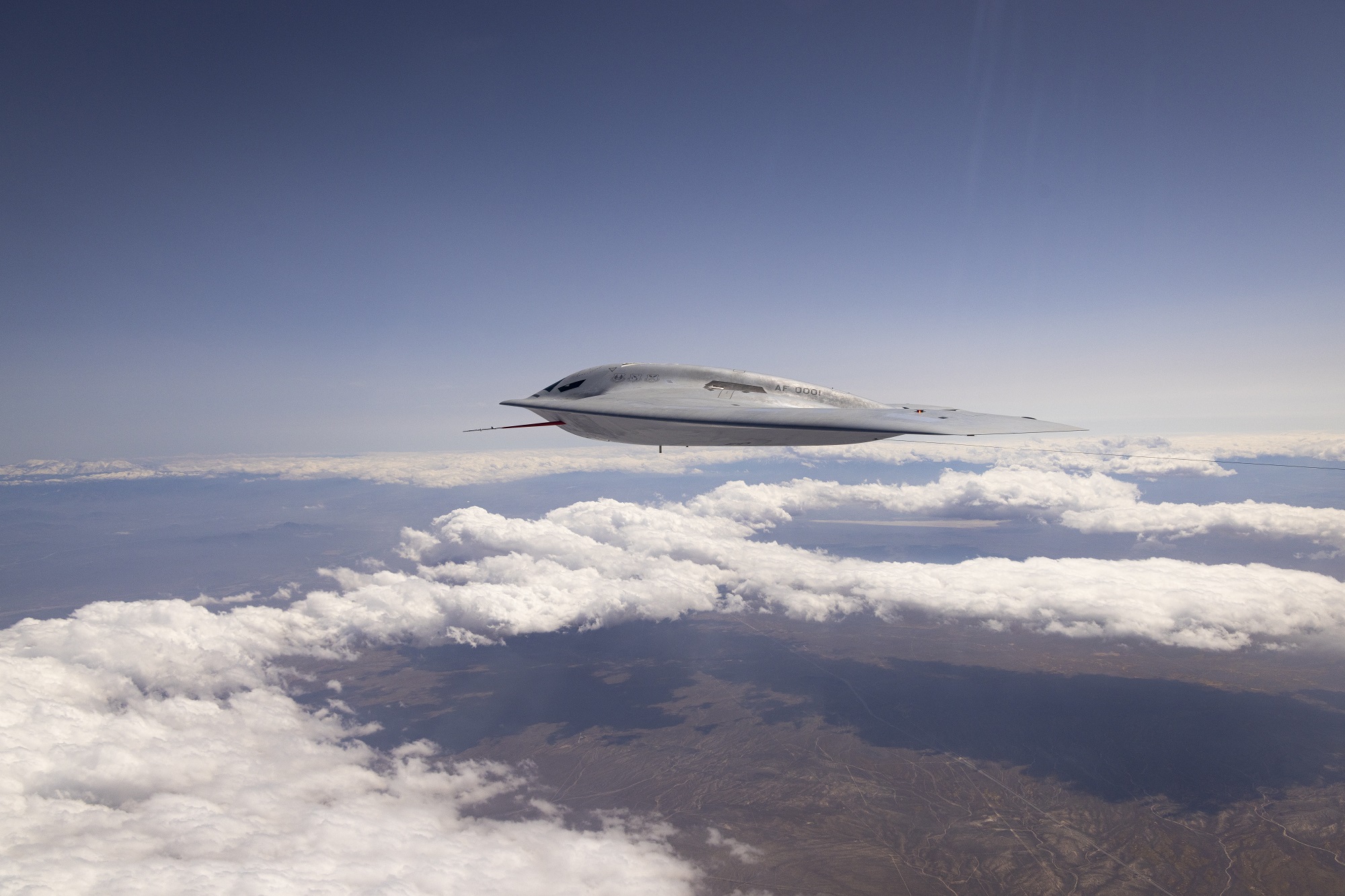
The B-21 Raider serves as a formidable deterrent against peer competitors, such as China and Russia, who are rapidly modernizing their military capabilities. The presence of a stealth bomber with advanced capabilities can dissuade adversaries from aggressive actions, thereby maintaining stability in volatile regions.
Enhancing Global Reach
With its ability to conduct long-range missions, the B-21 enhances the U.S. military’s global reach. It can strike targets far beyond traditional combat zones, ensuring that the U.S. can respond to threats wherever they arise. This capability is particularly critical in areas like the Indo-Pacific, where tensions are escalating.
Cost-Effectiveness
While the development of the B-21 has been expensive, its modular design and advanced technology could lead to long-term cost savings. By replacing multiple aging platforms with a single, versatile aircraft, the Air Force can streamline its operations and reduce maintenance costs.
Case Studies and Comparisons
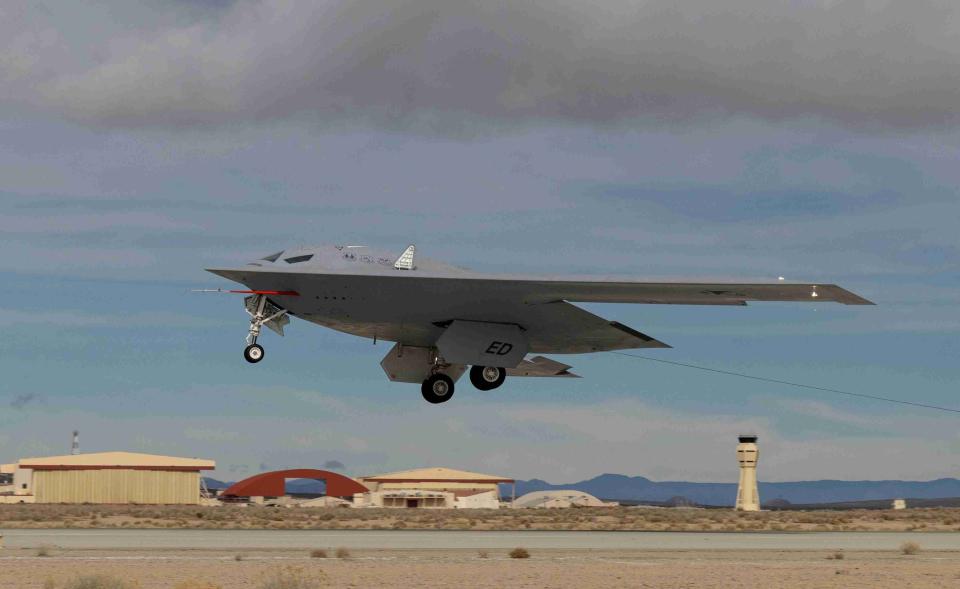
To understand the significance of the B-21 Raider, it is essential to compare it with its predecessors and assess its capabilities through real-world examples:
Comparing the B-21 to the B-2 Spirit
The B-2 Spirit, one of the most famous stealth bombers, has been in service since the late 1980s. While it has proven effective in numerous conflicts, the B-21 Raider offers advancements that address some of the B-2’s limitations:
- Operational Costs: The B-2 has a high operational cost per hour, which the B-21 aims to reduce through more efficient systems and a focus on sustainability.
- Technological Obsolescence: As technology advances, older systems become less effective. The B-21 is designed to incorporate the latest advancements in stealth and avionics, keeping it relevant in future conflicts.
Real-World Applications: Operation Enduring Freedom

During Operation Enduring Freedom, the U.S. employed bombers extensively for precision strikes. The B-21 Raider’s enhanced precision and ability to evade modern air defenses could have transformed the operational landscape, potentially leading to fewer civilian casualties and more effective mission outcomes.
The Future of Stealth Warfare
The B-21 Raider is not merely a new aircraft; it symbolizes a shift toward a new era of warfare where stealth and technology play critical roles. As adversaries continue to develop countermeasures against traditional military assets, the B-21’s capabilities may redefine the strategic calculus in conflicts.
In conclusion, the B-21 Raider stands as a testament to the evolution of military aviation and the U.S. Air Force’s commitment to maintaining air superiority. With its advanced stealth capabilities, modular design, and multi-role functionality, the B-21 is positioned to play a pivotal role in the future of warfare. As global threats evolve, the Raider will ensure that the U.S. military remains at the forefront of strategic bombing capabilities, ready to respond effectively to any challenge that arises. The B-21 Raider is not just a bomber; it is a game-changer in the landscape of modern military operations.